

Case Study: MidFirst Bank
When MidFirst Bank announced that its 1st Century Bank division would officially transition under the MidFirst name on April 20, 2026, the directive was clear: execute a seamless rebrand across Southern California, fast, clean, and without disruption to daily operations. What followed was a compressed, high-stakes rollout that required precision coordination across seven active banking locations.
This was not a standard signage project. It was a full-scale brand conversion under real deadlines, with real operational risk if execution slipped.
Across all seven locations, the scope spanned exterior and interior transformation. The most visible element was a 12-story building installation featuring illuminated channel letters, with the full logo measuring approximately 9 feet tall and nearly 70 feet wide. At street level, storefront vinyl and interior signage had to align perfectly with the updated brand identity. Every legacy mark was removed, surfaces were repaired, patched, painted, and prepped to receive new signage without visible trace of the transition.
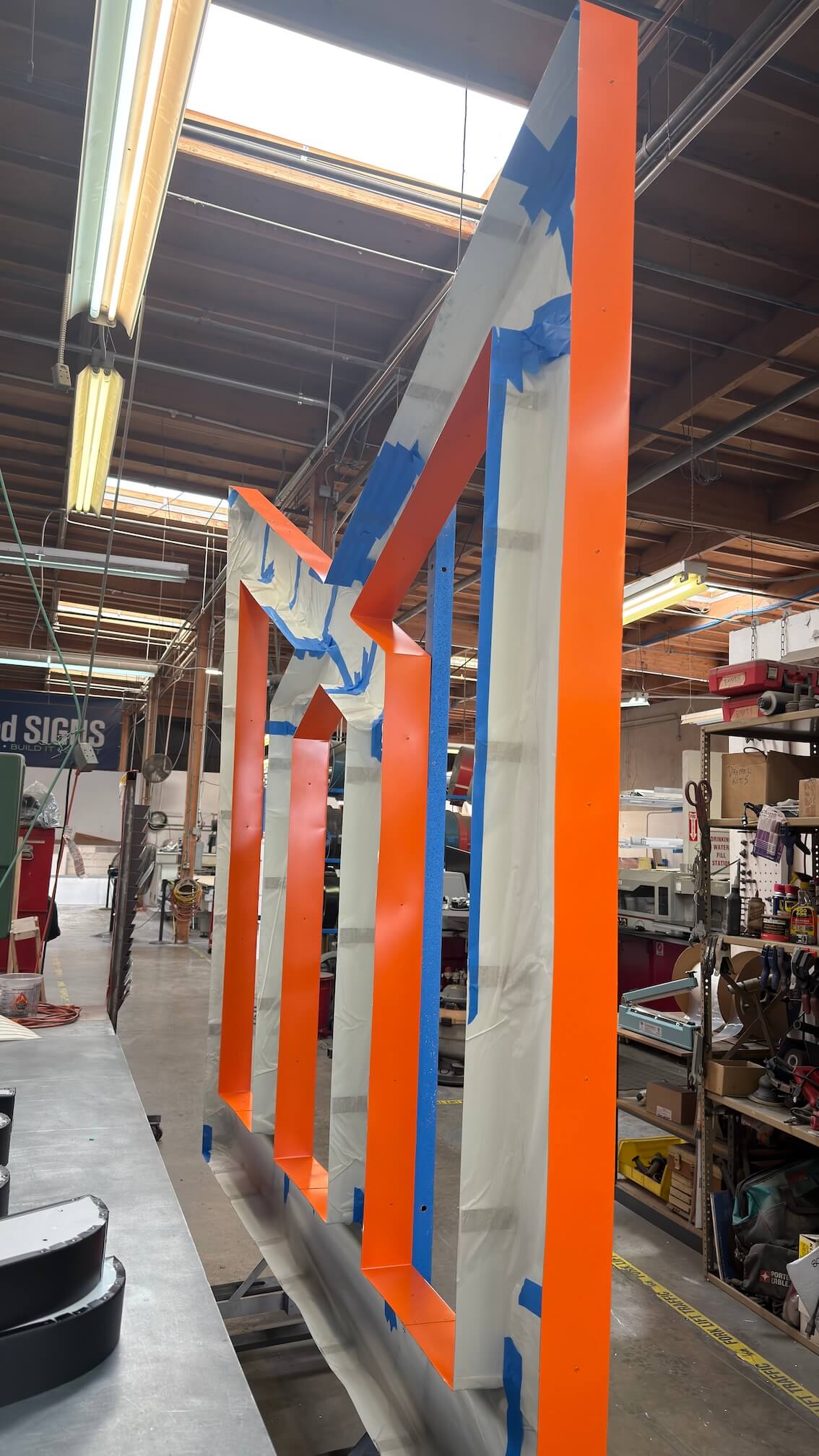
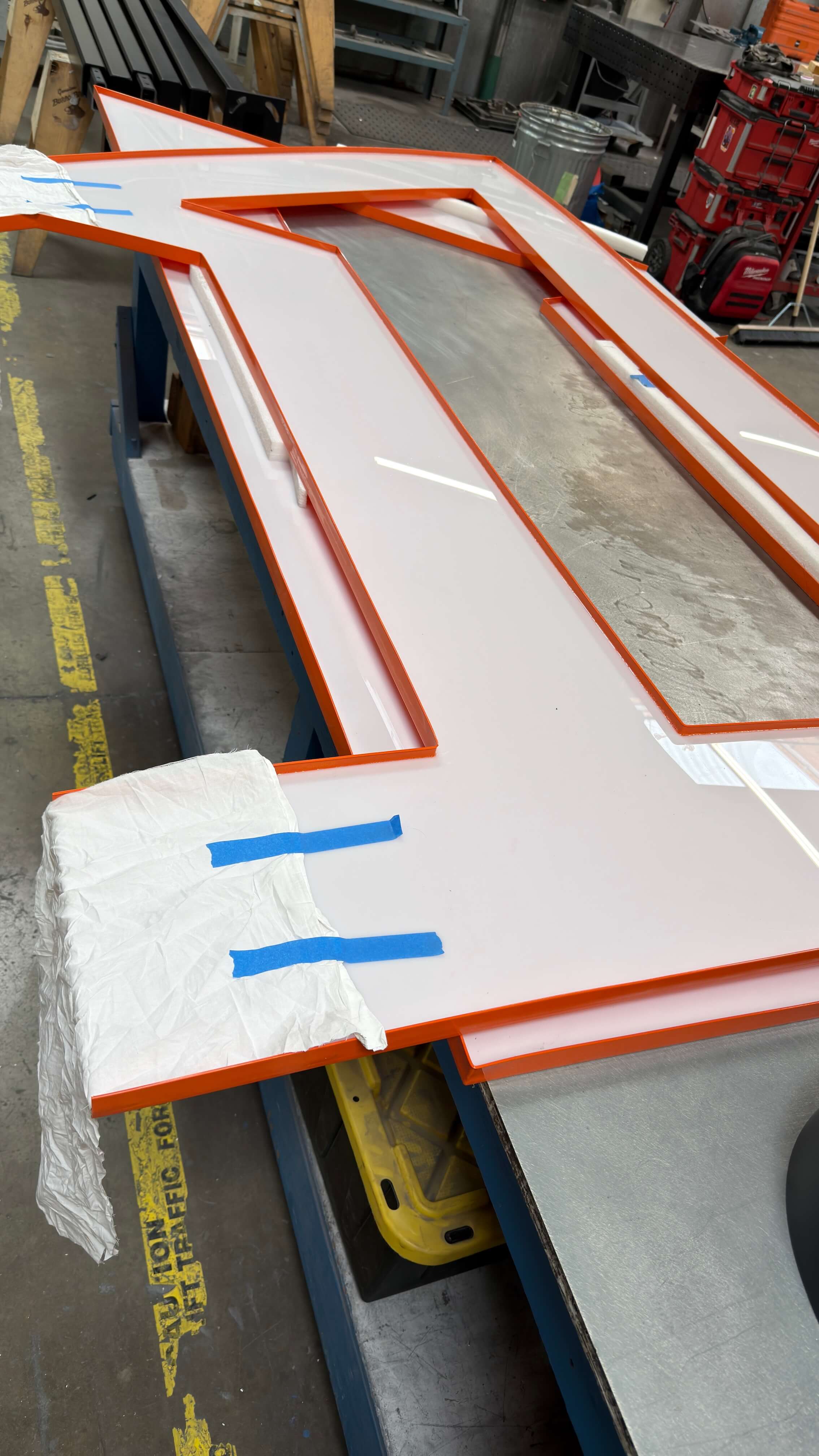
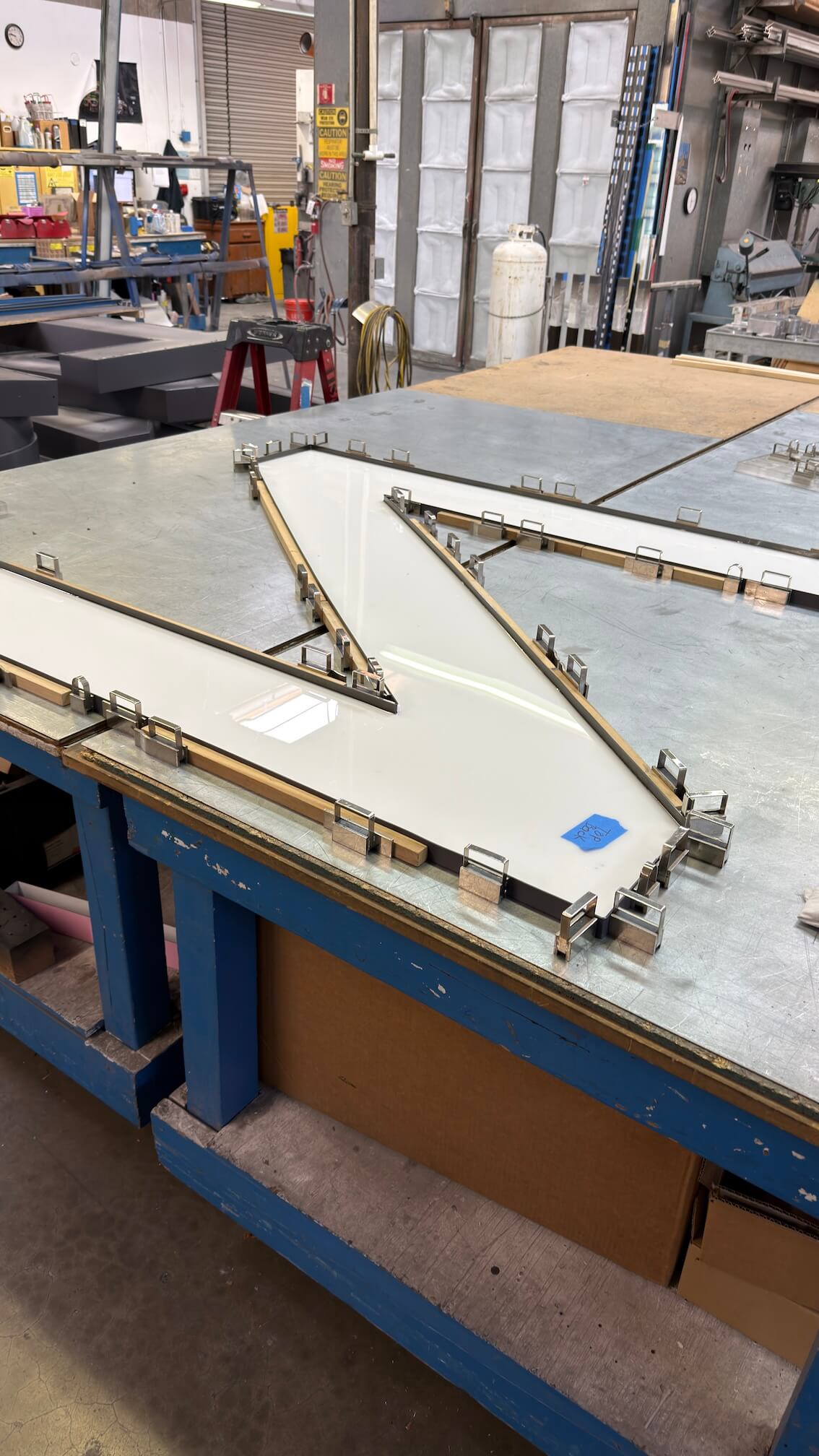
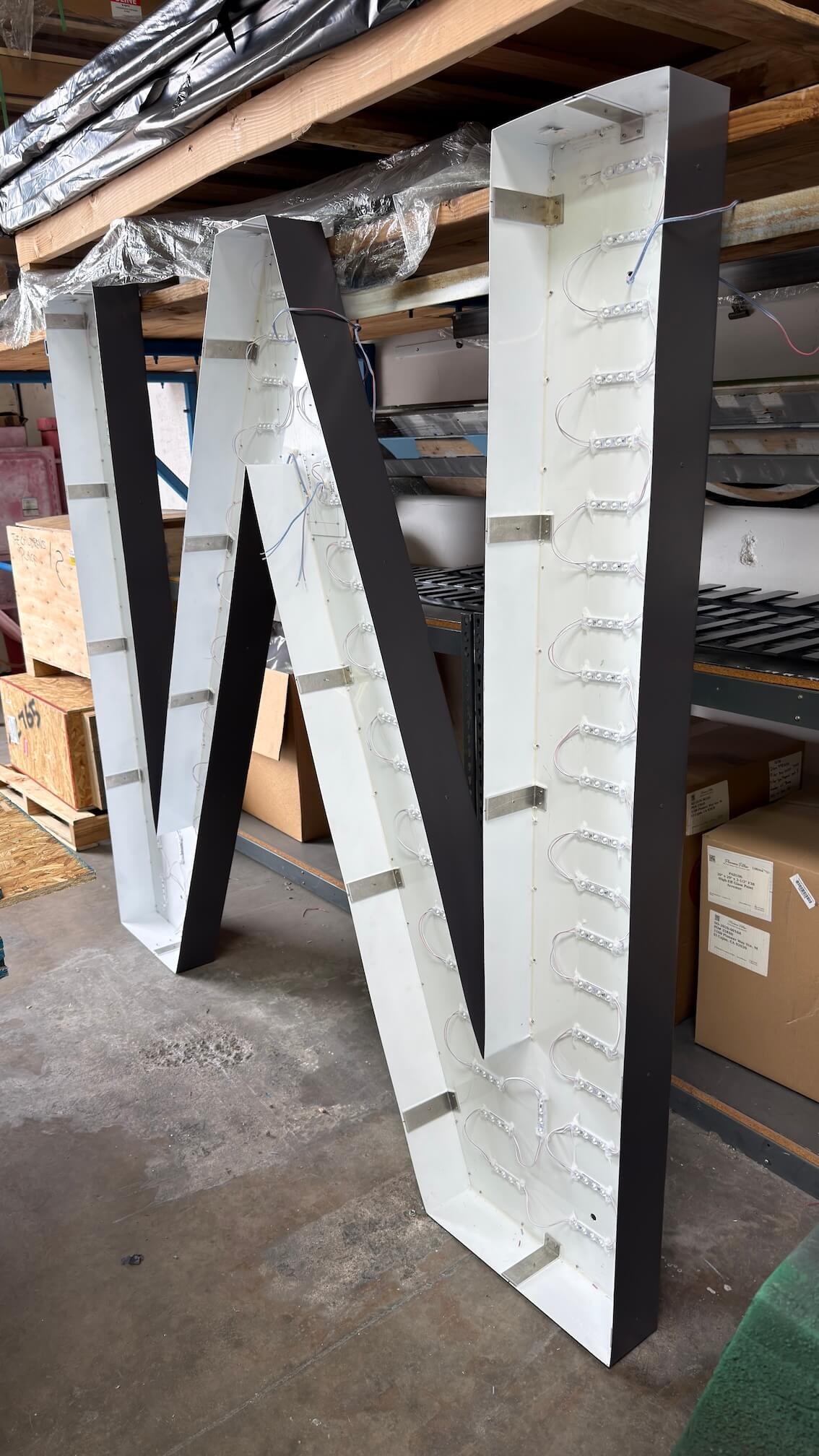
The constraint was time. Most locations were converted in a single weekend, effectively overnight from the customer’s perspective. The largest and most complex site, including the high-rise installation, was completed within a two-week window. That timeline left no room for sequencing errors, missed inspections, or coordination gaps.
Execution required synchronized effort across multiple layers. Bank leadership, including directors, project managers, and the design team, were in continuous communication with our internal teams. On our side, sales, design, project management, fabrication, and installation operated as a single system rather than separate functions. This eliminated the typical handoff friction that slows projects of this scale.
Operationally, the complexity extended beyond fabrication and install. Crews worked on swing stages suspended 12 stories above grade. A nearby cellular tower had to be temporarily shut down to ensure crew safety during installation. Special inspections were conducted where required, and no shortcuts were taken at any stage. The focus was controlled execution, not speed at the expense of risk.
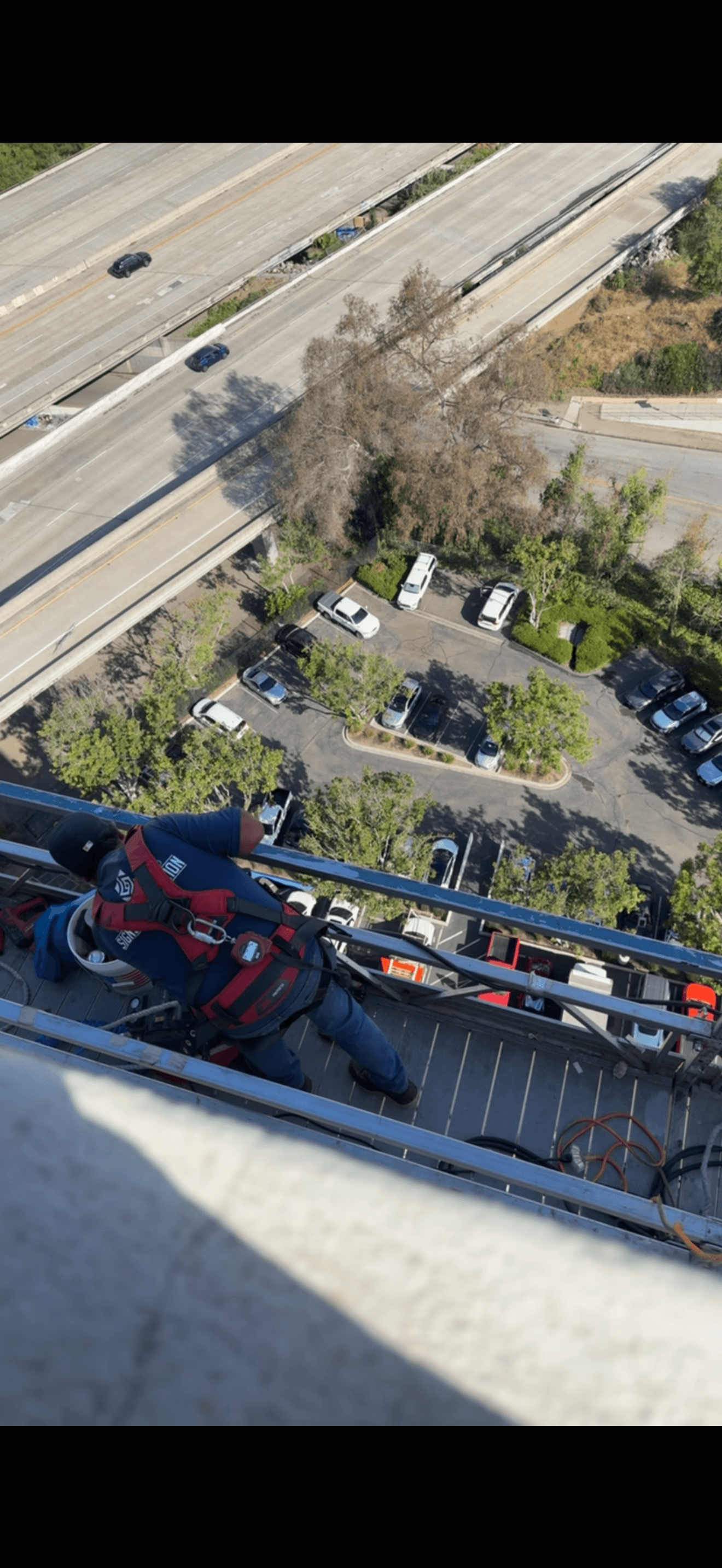
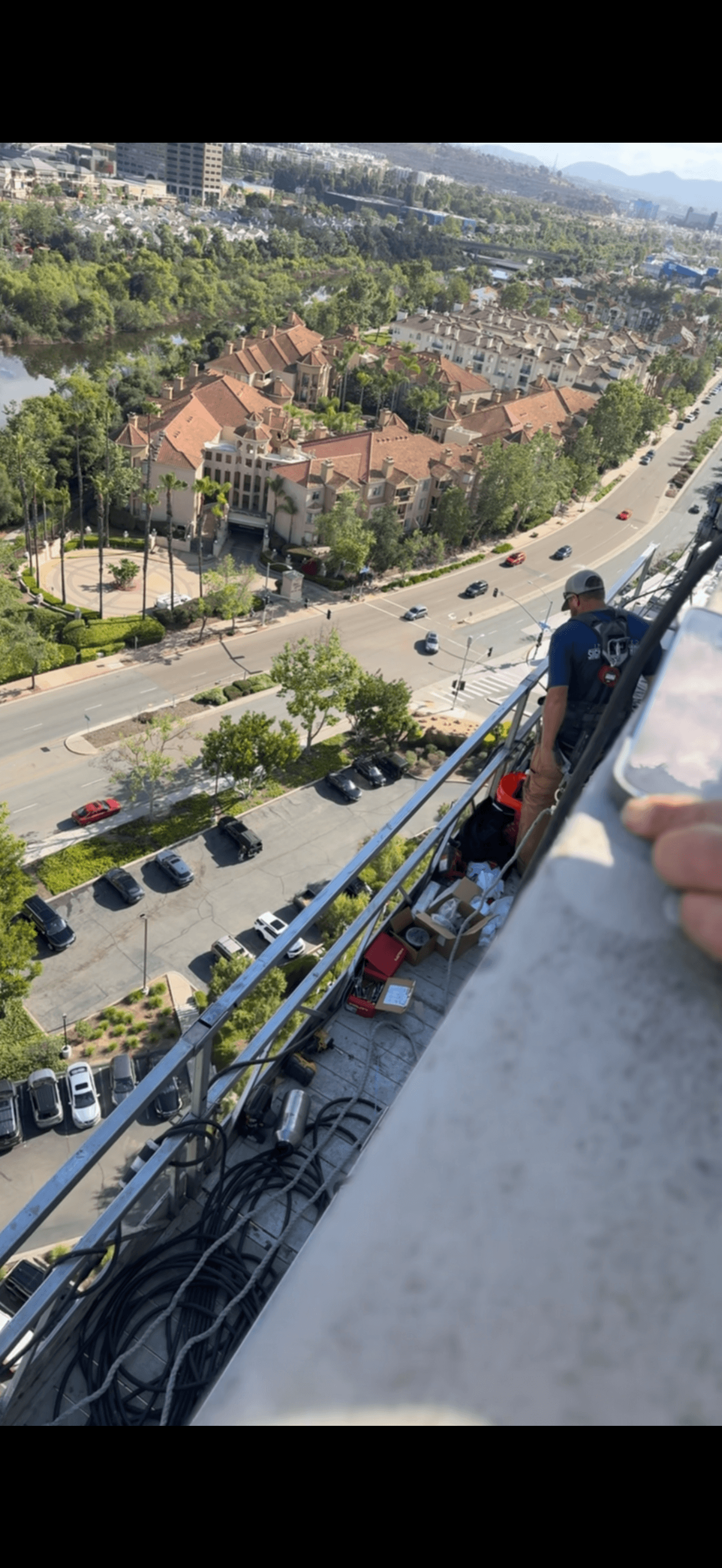
From a systems perspective, this project highlights a core truth in this category of work: signage is not a product, it is a coordination problem. Success depends less on individual components and more on how well multiple disciplines integrate under pressure.
The outcome was a clean, synchronized brand launch across all seven locations, delivered within a compressed timeline and without operational disruption to the client.
Following completion, Trevor Peterson, Arizona Director of Real Estate for MidFirst Bank, summarized the result:
“Integrated Team, thank you all so much for the hard work, planning, and determination on this project. We have been working on this for a long time, and it is great to see it all come together within a matter of days. The work over the last few days turned out great, and everyone in our leadership group is very excited and appreciative of all the hard work.”
This project reinforces the value of integrated execution. When design intent, fabrication capability, and field installation are aligned from the outset, even high-risk, multi-site rollouts can be delivered with speed and precision.